Spinal and Tuberal Implants
Spinal implant
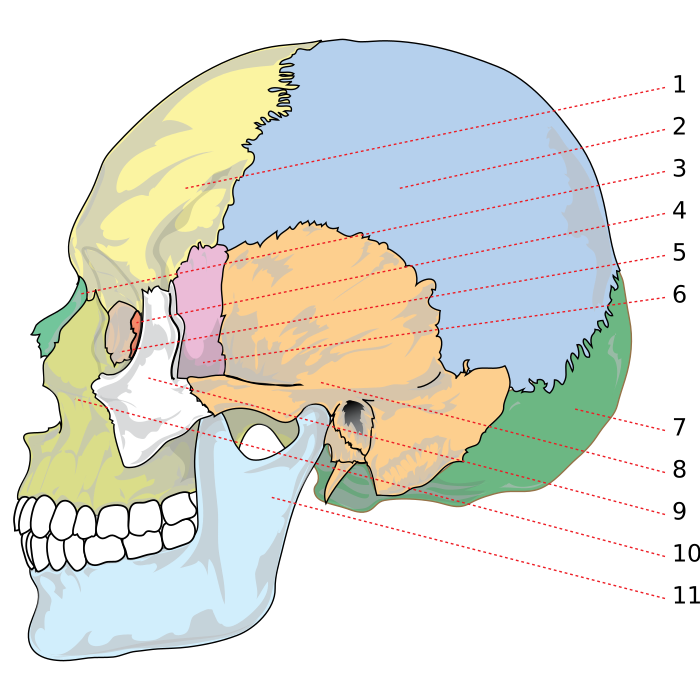
The spinal implant anchors to the posterior nasal spine, a bone structure at the junction between maxilla and sphenoid with good quality bone. It is used when the morphology of the maxillary tuber does not allow a standard pterygoid path, when the quality of the tuberal bone is insufficient or when additional anchorage is needed in the posterior median area.
The spinal implant is a type of implant that anchors to the posterior nasal spine, a bone structure located in the posterior portion of the hard palate, at the junction between maxilla and sphenoid. This area offers good quality bone for the anchorage of posterior implants.
The spinal implant is used when:
- The morphology of the maxillary tuber does not allow a standard pterygoid path
- The quality of the tuberal bone is insufficient
- Additional anchorage is desired in the posterior median area
Tuberal implant
The tuberal implant is inserted directly in the maxillary tuber, the posterior portion of the alveolar process. With a typical length of 10-14 mm, it anchors exclusively in the tuber without reaching the sphenoid. It requires a sufficient quantity of residual tuberal bone and is less stable than the pterygoid implant in case of severe atrophy, but it represents an option when the tuber is well preserved.
The tuberal implant is inserted directly in the maxillary tuber, the posterior portion of the alveolar process of the upper maxilla. It is a shorter implant compared to the pterygoid implant and does not reach the plates of the sphenoid.
Characteristics of the tuberal implant:
- Typical length: 10-14 mm
- Anchorage exclusively in the maxillary tuber
- Requires a sufficient quantity of residual tuberal bone
- Less stable than the pterygoid implant in case of severe atrophy
Differences with the pterygoid implant
Compared to the pterygoid implant, the spinal implant anchors to the posterior nasal spine (12-16 mm) while the tuberal is inserted in the maxillary tuber (10-14 mm). The pterygoid, 19-21 mm long, reaches the sphenoid plates guaranteeing bicortical anchorage with excellent primary stability and immediate loading, making it the gold standard for severe atrophy in the Bilateral Sinus Solution™ (BSS).
| Characteristic | Spinal implant | Tuberal implant | Pterygoid implant |
|---|---|---|---|
| Anchorage site | Posterior nasal spine | Maxillary tuber | Tuber + sphenoid |
| Length | 12-16 mm | 10-14 mm | 19-21 mm |
| Bicortical anchorage | Sometimes | Rarely | Yes |
| Primary stability | Good | Moderate | Excellent |
| Immediate loading | Often yes | Sometimes | Yes |
| Main indication | Anatomical variant | Sufficient tuberal bone | Severe atrophy |
Specific indications
The choice between pterygoid, spinal and tuberal implant depends on the patient's bone morphology. The pterygoid implant is the gold standard for most severe atrophies in the Bilateral Sinus Solution™ (BSS). The spinal is preferable when the pterygoid path is obstructed. The tuberal can be used when the maxillary tuber is well preserved without the need to reach the sphenoid.
The choice between spinal, tuberal and pterygoid implant depends on the patient's bone morphology:
- Pterygoid implant: indicated in most cases of severe atrophy, it is the gold standard of the Bilateral Sinus Solution™ (BSS)
- Spinal implant: preferable when the pterygoid path is obstructed or when additional anchorage is needed in the posterior median area
- Tuberal implant: can be used when the maxillary tuber is still well preserved and it is not necessary to reach the sphenoid
In the clinical practice of the Nicola Lettera Maxillofacial Team, the pterygoid implant remains the preferential choice for posterior rehabilitation in the Bilateral Sinus Solution™ (BSS) configuration, while spinal and tuberal implants represent variants for particular anatomical cases.
The anchorage anatomy
The Circolare d'Autore® prosthesis
- 14 teeth per arch, including all posterior molars
- Zero fake gum: the teeth emerge from the natural gum
- Zirconia + layered ceramic, with registered trademark ®
- Custom-made: every prosthesis is a unique piece designed for the patient
Discover all the details on the dedicated page: Circolare d'Autore® — the definitive prosthesis without fake gum.